
Trending: Biophilic Design in Home Interiors?
In a time where people are increasingly seeking ways to reconnect with nature amidst the hustle and bustle of modern life, the concept of biophilic design has emerged as a popular trend in the realm of home interiors. This design approach, which focuses on incorporating elements of nature into living spaces, has gained traction for its ability to enhance well-being, productivity, and overall quality of life. Let’s delve into the world of biophilic design and explore how it is revolutionizing the way we think about interior spaces.
Bringing the Outdoors In
One of the key principles of biophilic design is the idea of bringing the outdoors in. This can be achieved through the use of natural materials such as wood, stone, and plants, which help create a sense of harmony and connection with the natural world. Incorporating elements like large windows that offer views of greenery, natural light, and fresh air can also help blur the boundaries between indoor and outdoor spaces, fostering a sense of tranquility and relaxation.
The Power of Plants
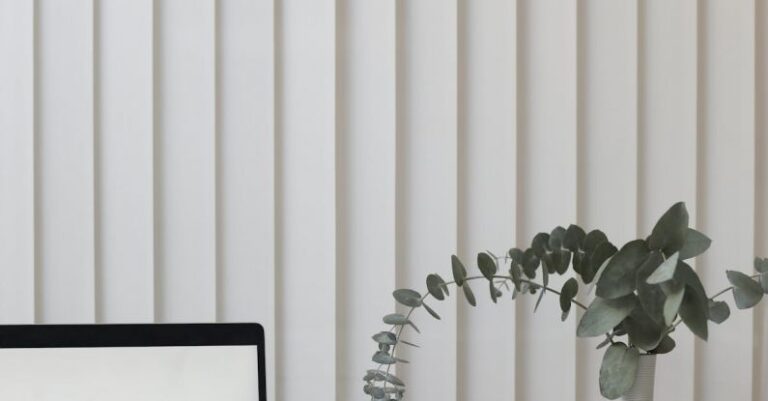
Plants play a central role in biophilic design, not only for their aesthetic appeal but also for their ability to purify the air and improve indoor air quality. From lush greenery to vibrant flowers, incorporating a variety of plants into your home can help create a sense of vitality and rejuvenation. Whether it’s a small potted plant on a windowsill or a vertical garden covering an entire wall, the presence of plants can instantly transform a space and infuse it with life.
Natural Light and Views
Natural light is a crucial element of biophilic design, as it has been shown to have a profound impact on our mood, productivity, and overall well-being. Maximizing natural light in a home not only reduces the need for artificial lighting but also creates a warm and inviting atmosphere. Additionally, views of nature, whether it’s a garden, a park, or a scenic landscape, can help promote a sense of calm and relaxation, making the space feel more open and expansive.
Embracing Organic Shapes and Textures
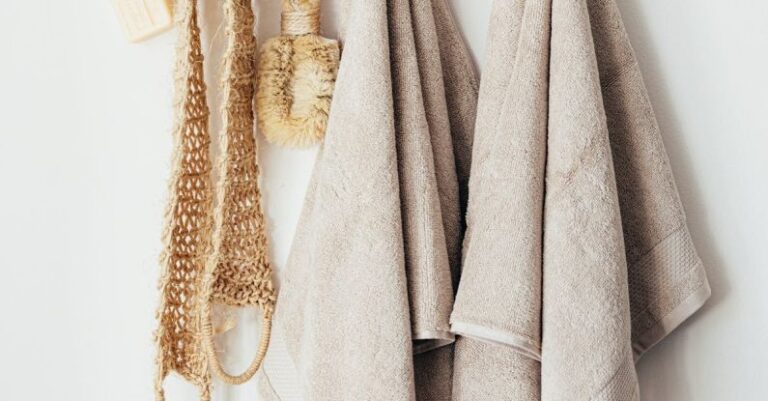
Incorporating organic shapes and textures into home interiors is another hallmark of biophilic design. From curving furniture forms to natural stone accents, these elements help create a sense of fluidity and movement that mimics the patterns found in nature. Soft, tactile materials like wool, cotton, and jute can also add warmth and comfort to a space, inviting people to touch and interact with their surroundings.
Mindful Color Palette
When it comes to color in biophilic design, earth tones and natural hues take center stage. Colors like greens, browns, blues, and neutrals are reminiscent of the natural world and can help create a sense of balance and harmony in a space. These calming tones can be complemented with pops of vibrant colors inspired by flowers, sunsets, or other elements of nature, adding visual interest and depth to the overall design scheme.
Biophilic Design: A Sustainable Choice
Beyond its aesthetic appeal, biophilic design is also a sustainable choice for home interiors. By incorporating natural materials, maximizing natural light, and promoting indoor plants, this design approach can help reduce energy consumption, improve air quality, and create a healthier living environment for occupants. As more people become conscious of their environmental impact, biophilic design offers a way to align aesthetics with sustainability.
Revolutionizing Home Interiors
In conclusion, biophilic design is more than just a passing trend—it represents a fundamental shift in how we think about and interact with our living spaces. By embracing the principles of biophilia and incorporating elements of nature into our homes, we can create environments that not only look beautiful but also support our health and well-being. Whether you’re looking to create a peaceful retreat, a productive workspace, or a social gathering place, biophilic design offers a versatile and holistic approach to interior design that is sure to stand the test of time.