
Paint or Stain: What’s Best for Wood Walls?
When it comes to enhancing the natural beauty of wood walls, the choice between paint and stain can be a pivotal decision. Both options offer distinct advantages and considerations that can significantly impact the overall look and feel of a space. Understanding the differences between the two and their respective benefits can help you make an informed choice that aligns with your aesthetic preferences and practical needs.
**Enhancing the Grain: The Beauty of Stain**
Staining wood walls is a popular choice for those who want to highlight the natural grain and texture of the wood. Unlike paint, which forms a layer on the surface of the wood, stain penetrates the wood fibers, enhancing its inherent beauty. Stain comes in a variety of shades, from light to dark, allowing you to achieve the desired level of richness and depth in the wood’s appearance.
One of the key advantages of using stain is that it allows the wood to breathe. This means that the wood can expand and contract with changes in humidity without the risk of peeling or cracking, as can happen with paint. Stain also tends to require less maintenance than paint, as it doesn’t chip or peel over time. Additionally, if you appreciate the rustic charm of wood walls and want to maintain a more natural look, stain is the way to go.
**Color Versatility: The Appeal of Paint**
Paint, on the other hand, offers a wide range of color options to suit any design scheme. Whether you prefer bold and vibrant hues or soft and subtle tones, paint allows for endless possibilities when it comes to customizing the look of your wood walls. With paint, you have the freedom to express your creativity and make a bold statement in any room.
Another advantage of using paint is its ability to provide a uniform and seamless finish. Paint can hide imperfections in the wood, creating a smooth and flawless surface. If you’re looking to achieve a modern and polished aesthetic or want to create a cohesive backdrop for your decor, paint may be the ideal choice for your wood walls.
**Durability and Maintenance: Key Considerations**
When deciding between paint and stain for wood walls, durability and maintenance are important factors to take into account. Paint is generally more durable than stain and provides better protection against wear and tear, moisture, and UV rays. This makes paint a suitable option for high-traffic areas or spaces that are exposed to direct sunlight.
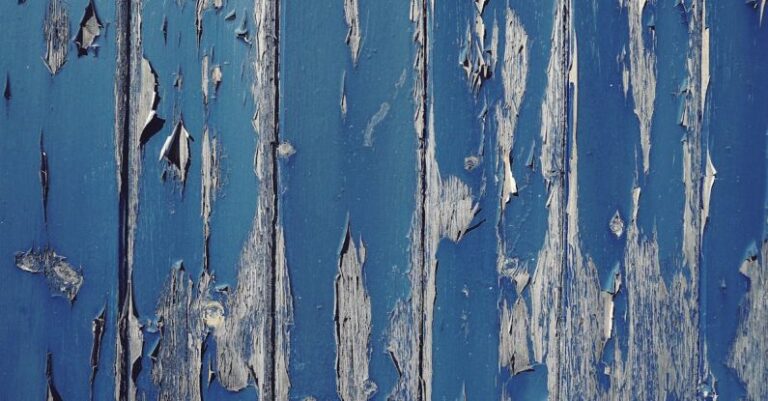
However, it’s worth noting that paint may require more maintenance over time, as it can chip, peel, or fade with regular use. Stain, on the other hand, tends to age gracefully and can be easily touched up or reapplied as needed. If you’re looking for a low-maintenance option that retains its appearance well, stain may be the more practical choice for your wood walls.
**Final Thoughts: Making Your Decision**
Ultimately, the choice between paint and stain for your wood walls comes down to personal preference, desired aesthetic, and practical considerations. If you value the natural beauty and texture of wood and want a low-maintenance option, stain may be the best fit for your space. On the other hand, if you’re drawn to the versatility of color options and seek a durable and seamless finish, paint could be the ideal choice for achieving your desired look.
When making your decision, consider the overall style of your space, your maintenance preferences, and the level of protection you need for your wood walls. Whichever option you choose, both paint and stain have their own unique benefits and can enhance the beauty of your wood walls in different ways. By weighing the pros and cons of each, you can make an informed choice that brings out the best in your wood walls and creates a stunning backdrop for your home.