Is Built-in Furniture a Space Saver?
When it comes to furnishing a space, especially in modern urban living where every square foot counts, the question of whether built-in furniture is a space saver often arises. Built-in furniture refers to pieces that are fixed into a specific area of a room, such as built-in wardrobes, shelves, or desks. These bespoke pieces are tailored to fit the exact dimensions of a room, maximizing the use of available space. But does this custom approach truly save space, or are there other factors to consider?
Maximizing Every Inch
One of the key advantages of built-in furniture is its ability to maximize every inch of available space. Unlike freestanding furniture, which may leave awkward gaps or unused corners, built-in pieces are designed to fit seamlessly into a room. This tailored approach ensures that there is no wasted space, making built-in furniture an excellent choice for small rooms or awkwardly shaped areas.
Creating a Seamless Look
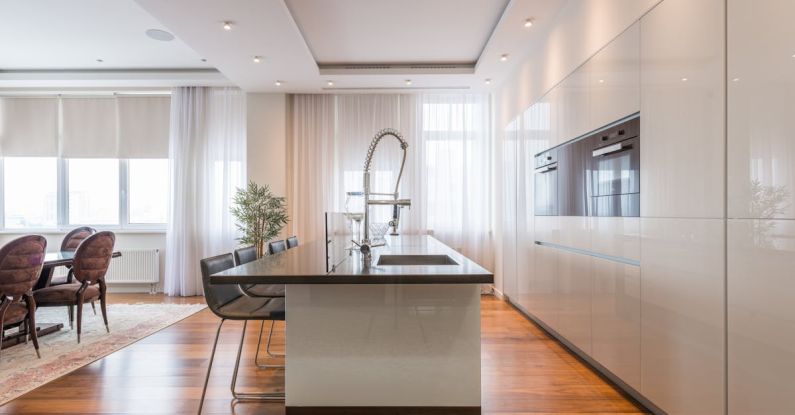
Another benefit of built-in furniture is its ability to create a seamless look in a room. By blending seamlessly with the walls or existing architectural features, built-in pieces can help to visually expand a space. This cohesive design approach can make a room feel larger and more harmonious, especially in open-plan living areas where continuity is key.
Multi-Functional Design
Built-in furniture also offers the advantage of multi-functional design. By customizing pieces to fit specific needs, such as incorporating hidden storage or fold-down elements, built-in furniture can serve multiple purposes within a space. This versatility is especially valuable in small homes or apartments where every piece of furniture needs to work hard to maximize functionality.
Customized Storage Solutions
One of the primary appeals of built-in furniture is its ability to provide customized storage solutions. Whether it’s a floor-to-ceiling wardrobe, a built-in bookcase, or a window seat with hidden storage compartments, built-in pieces can be tailored to meet the unique storage needs of a room. This bespoke approach not only saves space by utilizing every available inch but also helps to keep a space organized and clutter-free.
Space Optimization vs. Flexibility
While built-in furniture offers undeniable benefits in terms of space optimization and customization, it also comes with some limitations. One of the main drawbacks of built-in pieces is their lack of flexibility. Once installed, built-in furniture is fixed in place, making it challenging to rearrange or repurpose a room in the future. This lack of flexibility can be a significant consideration for those who like to change their living spaces frequently or for renters who may need to move frequently.
Cost Considerations
Another factor to consider when deciding whether built-in furniture is a space saver is cost. Custom-built pieces are typically more expensive than off-the-shelf furniture, as they require skilled craftsmanship and precise measurements. While the initial investment may be higher, the long-term benefits of built-in furniture, such as increased storage capacity and improved aesthetics, may outweigh the upfront costs for some homeowners.
In Conclusion
In conclusion, built-in furniture can be a highly effective space saver, offering tailored solutions for maximizing storage and functionality in a room. By taking advantage of every available inch, creating a seamless look, and providing customized storage options, built-in pieces can help to optimize space in a variety of settings. However, it is essential to weigh the benefits of space optimization against the limitations of flexibility and the potential costs involved in choosing built-in furniture for your home. Ultimately, the decision to invest in built-in furniture should be based on your specific needs, lifestyle, and long-term goals for your living space.