Creative Ways to Divide an Open Space?
Creating designated areas within an open space can be a challenging task, especially when you want to maintain a sense of flow and unity. Whether you are dividing a large room in a home or office, or trying to establish zones in a studio apartment, there are various creative ways to achieve this while keeping the space visually appealing and functional.
Define Functional Zones with Furniture Placement
Furniture placement is a powerful tool when it comes to dividing an open space. By strategically positioning furniture pieces, you can define different functional zones without the need for physical barriers. For instance, you can use a sofa or a bookshelf to separate the living area from the dining space in a studio apartment. Additionally, using rugs under furniture groupings can visually delineate specific areas within a room.
Utilize Room Dividers for Flexibility
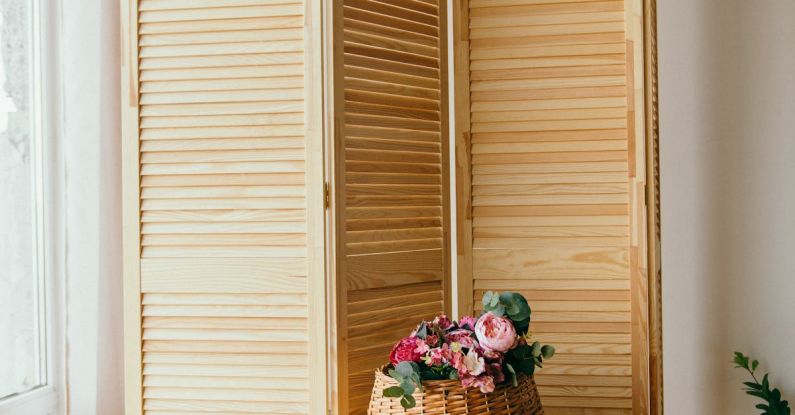
Room dividers are a versatile solution for dividing open spaces while adding a decorative element to the room. From folding screens to sliding panels, there are various types of room dividers available in different styles and materials to suit your preferences. Room dividers can be easily moved or adjusted, providing flexibility to change the layout of your space whenever needed.
Create Visual Separation with Different Flooring
Using different flooring materials is an effective way to visually separate areas within an open space. For example, you can use hardwood flooring in the living room and tiles in the dining area to delineate the two zones. Alternatively, you can experiment with rugs of varying sizes, shapes, and patterns to create distinct visual boundaries within a large room.
Play with Color and Texture
Color and texture can also be used to divide an open space while adding visual interest. Painting one wall in a different color can create a focal point and define a specific area within the room. Similarly, incorporating textured elements like wallpaper, fabric panels, or textured paint can help distinguish different zones while enhancing the overall aesthetic appeal of the space.
Use Shelving Units as Functional Dividers
Shelving units are not only practical for storage but can also serve as effective dividers in an open space. By positioning a tall bookshelf or a modular shelving system strategically, you can create separate areas for work, leisure, or storage without compromising the openness of the room. Additionally, you can personalize the shelves with decorative items to further define each zone.
Incorporate Sliding Doors for Privacy
If privacy is a concern, installing sliding doors can be a stylish way to divide an open space while allowing for flexibility in usage. Sliding doors come in various designs, from frosted glass panels to wooden slats, offering both visual separation and functionality. Whether you need to separate a home office from a living room or create a private sleeping area in a studio apartment, sliding doors can be a practical solution.
Maximize Vertical Space with Hanging Elements
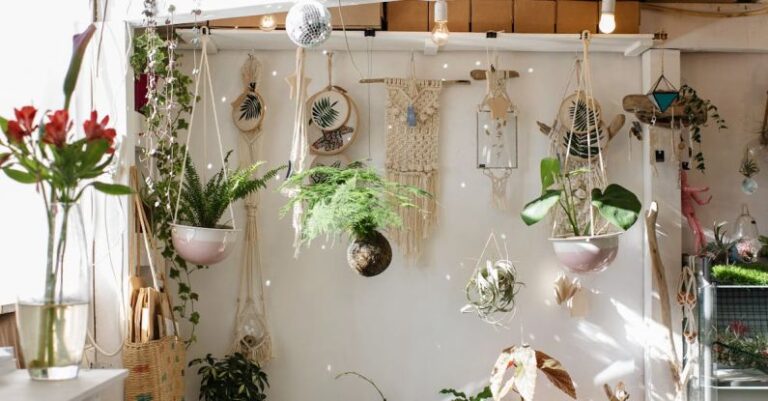
Hanging elements such as curtains, beads, or hanging plants can be used to divide an open space vertically, creating a sense of separation without closing off the area entirely. Curtains, in particular, offer a lightweight and versatile option for dividing a room while adding a touch of elegance. By playing with different lengths, colors, and textures, you can customize the curtains to complement the overall decor of the space.
Conclusion:
Dividing an open space requires thoughtful planning and creativity to achieve a harmonious balance between functionality and aesthetics. By exploring innovative solutions such as furniture placement, room dividers, flooring variations, color schemes, shelving units, sliding doors, and hanging elements, you can transform a large, undivided area into distinct zones that enhance the functionality and visual appeal of your space. Experiment with different techniques and combinations to find the perfect solution that suits your needs and style.