Comparing Corded Vs. Cordless Power Tools?
Corded Vs. Cordless Power Tools: Which Option Reigns Supreme?
When it comes to choosing between corded and cordless power tools, the decision can be a tough one. Both options have their own set of advantages and limitations, making it essential to consider various factors before making a purchase. In this article, we will delve into the key differences between corded and cordless power tools to help you make an informed decision based on your specific needs and preferences.
Power Source and Portability
One of the most significant distinctions between corded and cordless power tools is the power source they rely on. Corded power tools must be plugged into a power outlet to function, providing a consistent and uninterrupted power supply. On the other hand, cordless power tools are powered by rechargeable batteries, offering greater portability and the freedom to work in areas where access to a power outlet is limited or unavailable.
Corded Power Tools: Reliability and Consistent Power
Corded power tools are known for their reliability and ability to deliver consistent power output, making them ideal for heavy-duty tasks that require prolonged use. Since they are connected to a power source, corded tools do not have limitations in terms of runtime, allowing users to work continuously without the need for battery recharging. This makes corded power tools well-suited for applications that demand high power output, such as cutting through tough materials or drilling into hard surfaces.
However, the downside of corded power tools lies in their dependence on a power outlet, which can restrict mobility and limit the range of movement. The presence of a cord can also pose a safety hazard, as it may get tangled or accidentally cut during operation. Despite these drawbacks, corded power tools remain a popular choice for professionals and DIY enthusiasts who prioritize consistent power delivery and performance.
Cordless Power Tools: Freedom of Movement and Convenience
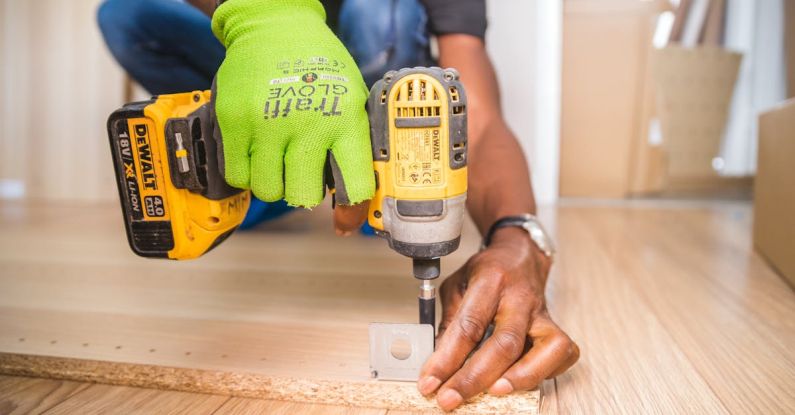
Cordless power tools offer the advantage of portability and freedom of movement, allowing users to work in various locations without being tethered to a power outlet. The absence of a cord enhances maneuverability and flexibility, making cordless tools ideal for jobs that require mobility or access to confined spaces. Additionally, cordless power tools are convenient for outdoor projects or on-the-go tasks where access to electricity may be limited.
While cordless power tools provide greater convenience and flexibility, they are limited by their battery runtime and power output. Rechargeable batteries have a finite capacity and require regular recharging, which can interrupt workflow and may not be suitable for continuous use over extended periods. Moreover, cordless tools may experience power loss as the battery depletes, affecting performance and productivity during operation.
Choosing the Right Tool for the Job
When deciding between corded and cordless power tools, it is essential to consider the specific requirements of the task at hand. For projects that demand high power output, prolonged use, or consistent performance, corded power tools are a reliable choice that ensures uninterrupted operation. On the other hand, if portability, flexibility, and convenience are paramount, cordless power tools offer the freedom to work without being constrained by a power cord.
Ultimately, the decision between corded and cordless power tools boils down to personal preference, the nature of the project, and individual work habits. By weighing the advantages and limitations of each option, you can make an informed choice that aligns with your needs and enhances your overall efficiency and productivity in completing tasks. Whether you opt for the reliability of corded power tools or the convenience of cordless alternatives, both options have their own merits and can be valuable additions to your toolkit.