
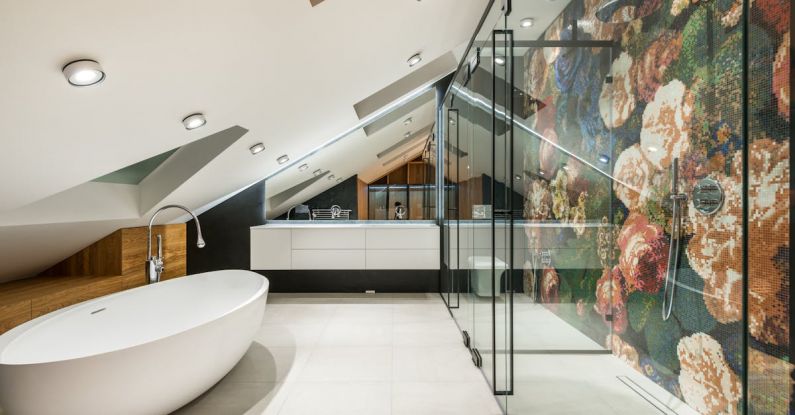
Can You Convert Your Attic into a Bedroom?
Transforming an attic into a bedroom is a popular home improvement project that many homeowners consider to maximize their living space. Converting an attic into a bedroom can provide numerous benefits, such as adding value to your home, creating a private retreat, and increasing usable square footage. However, before embarking on this renovation journey, there are several factors to consider to determine if your attic is suitable for conversion.
Assessing the Space
The first step in converting your attic into a bedroom is to assess the space to determine if it can be transformed into a livable area. Consider the ceiling height, floor space, and access points to ensure that the attic meets the necessary requirements for a bedroom conversion. The ceiling height should be at least 7 feet to comply with building codes and provide a comfortable living space. Additionally, the attic should have enough floor space to accommodate a bedroom layout, including a bed, storage, and seating areas. Access points, such as stairs or a ladder, should be safe and up to code for easy entry and exit.
Structural Considerations
Before converting your attic into a bedroom, it’s essential to evaluate the structural integrity of the space. Check for any signs of water damage, leaks, or pests that could compromise the attic’s stability and safety. Make sure the attic floor can support the additional weight of furniture, occupants, and any modifications made during the conversion process. Consider consulting with a structural engineer or contractor to assess the attic’s structural capacity and address any potential issues before proceeding with the renovation.
Insulation and Ventilation
Proper insulation and ventilation are crucial aspects of converting an attic into a bedroom to ensure comfort, energy efficiency, and indoor air quality. Insulate the attic walls, ceiling, and floor to regulate temperature and reduce energy costs. Adequate ventilation is essential to prevent moisture buildup, mold growth, and maintain air circulation in the attic space. Install vents, fans, or windows to promote airflow and create a comfortable living environment in the converted bedroom.
Electrical and Plumbing Considerations
When converting an attic into a bedroom, consider the electrical and plumbing requirements to accommodate lighting, outlets, heating, and cooling systems. Ensure that the attic has access to electrical wiring for lighting fixtures, appliances, and electronic devices. Plan the placement of outlets strategically to meet your electrical needs and comply with building codes. If you plan to include a bathroom in the attic conversion, consider the plumbing requirements for water supply, drainage, and ventilation to ensure proper functionality and compliance with regulations.
Design and Décor
Transforming your attic into a bedroom offers a unique opportunity to create a personalized and stylish living space. Consider the design and décor elements that reflect your taste, lifestyle, and preferences. Choose a color scheme, furniture, and accessories that complement the attic’s architecture and maximize the available space. Incorporate storage solutions, such as built-in shelves, closets, or under-bed storage, to optimize the functionality of the bedroom. Select lighting fixtures, window treatments, and décor accents to enhance the ambiance and comfort of the attic bedroom.
Maximizing Natural Light
Natural light can enhance the aesthetics and functionality of an attic bedroom by creating a bright and airy atmosphere. Consider adding windows, skylights, or dormers to bring in natural light and provide views of the outdoors. Position the bed and seating areas near windows to maximize daylight exposure and create a cozy and inviting space. Use light-colored paint, reflective surfaces, and strategically placed mirrors to amplify natural light and make the attic bedroom feel more spacious and welcoming.
Costs and Budgeting
Converting an attic into a bedroom can be a significant investment that requires careful planning and budgeting. Consider the costs of materials, labor, permits, and any unforeseen expenses that may arise during the renovation process. Create a detailed budget outlining the expenses for insulation, electrical work, plumbing, finishes, and furnishings to estimate the total cost of the attic conversion project. Research contractors, suppliers, and financing options to find the best solutions that fit your budget and timeline for completing the bedroom transformation.
Renaming the Conclusion: The Attic Bedroom Transformation
Converting your attic into a bedroom is a rewarding home improvement project that can add value, functionality, and style to your living space. By assessing the attic space, addressing structural considerations, insulating and ventilating the area, planning for electrical and plumbing needs, designing the layout and décor, maximizing natural light, and budgeting effectively, you can successfully transform your attic into a cozy and inviting bedroom. With careful planning, attention to detail, and creative vision, you can create a unique retreat in your home that enhances your lifestyle and adds charm and character to your living environment.