
Can a Room Layout Affect Productivity?
The Impact of Room Layout on Productivity
In the fast-paced world of today where efficiency and productivity are paramount, individuals are constantly seeking ways to optimize their work environments to maximize output. From the color of the walls to the placement of furniture, every aspect of a room can influence one’s ability to focus and perform tasks effectively. The layout of a room plays a significant role in shaping the way individuals work and can have a profound impact on productivity levels. Let’s delve into how room layout can affect productivity and what changes you can make to enhance your work environment.
The Open Office Debate
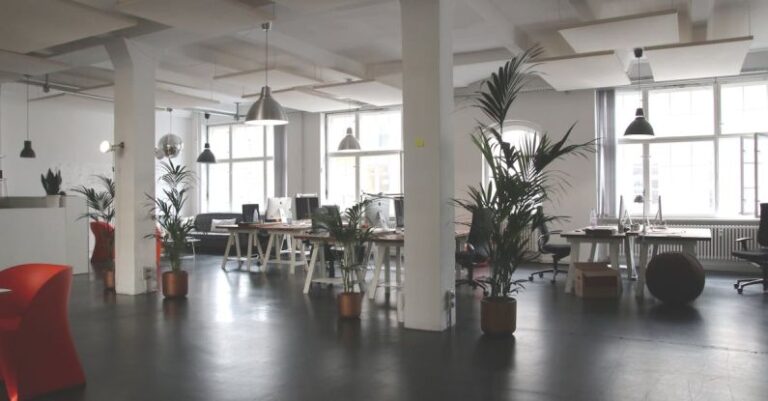
One of the most prevalent room layouts in modern workplaces is the open office layout. This design, which features a large, open space with minimal or no dividing walls, was initially hailed as a way to foster collaboration and communication among employees. However, studies have shown that open offices can actually hinder productivity due to increased noise levels, distractions, and lack of privacy. The lack of physical boundaries in an open office can lead to constant interruptions and make it challenging for individuals to concentrate on complex tasks.
To combat the drawbacks of an open office layout, many companies are now incorporating designated quiet zones or private workspaces where employees can retreat when they need to focus on individual tasks. By providing a variety of work settings within the same office space, organizations can create a more flexible environment that caters to the diverse needs of their employees.
The Power of Natural Light
Another crucial element of room layout that can impact productivity is the presence of natural light. Numerous studies have demonstrated the positive effects of natural light on mood, energy levels, and cognitive performance. Exposure to natural light has been linked to increased alertness, reduced symptoms of fatigue, and improved overall well-being.
When designing a workspace, it is essential to prioritize access to natural light and ensure that workstations are positioned near windows whenever possible. Natural light not only enhances the aesthetic appeal of a room but also has tangible benefits for productivity and employee satisfaction. If your workspace lacks sufficient natural light, consider incorporating full-spectrum lighting or light therapy lamps to simulate the effects of sunlight and create a more vibrant work environment.
The Importance of Ergonomics
In addition to room layout and lighting, the ergonomic design of furniture and equipment in a room can significantly impact productivity and well-being. Poorly designed chairs, desks, and computer setups can lead to discomfort, fatigue, and musculoskeletal issues that can hinder performance and cause long-term health problems.
To promote productivity and comfort, it is essential to invest in ergonomic furniture that supports good posture and allows for easy adjustment to individual preferences. Adjustable chairs, standing desks, and monitor arms are just a few examples of ergonomic solutions that can enhance the work environment and promote optimal productivity. By prioritizing ergonomics in room layout and furniture selection, organizations can create a workspace that is conducive to long hours of focused work without compromising employee health and well-being.
Creating a Productive Workspace
In conclusion, the layout of a room can have a profound impact on productivity by influencing factors such as noise levels, natural light exposure, and ergonomic design. By carefully considering these elements and making strategic changes to your workspace, you can create an environment that fosters concentration, creativity, and efficiency. Whether you work in a traditional office setting or from the comfort of your home, the way you arrange your space can make a significant difference in your ability to perform tasks effectively and achieve your goals. Take the time to assess your current room layout and make adjustments as needed to optimize your productivity and well-being.