How to Fix Peeling Paint on Walls?
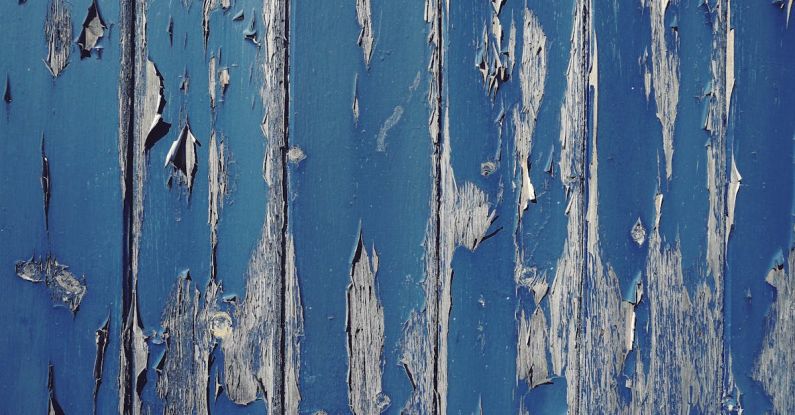
Peeling paint on walls can be a frustrating eyesore that can detract from the overall appearance of your home. Whether it’s due to moisture, poor adhesion, or simply the passage of time, addressing peeling paint is essential to maintain the aesthetics and integrity of your walls. In this guide, we will explore effective strategies to fix peeling paint on walls and restore them to their former glory.
Identify the Cause of Peeling
Before diving into fixing the peeling paint, it’s crucial to identify the root cause of the issue. Peeling paint can result from various factors such as moisture, improper surface preparation, or using low-quality paint. By understanding the underlying cause, you can implement a targeted solution that addresses the problem at its source.
Prepare the Surface
To repair peeling paint effectively, you must prepare the surface properly. Start by removing any loose paint chips using a scraper or sandpaper. Make sure to smooth out the edges where the paint has peeled to create a seamless transition between the bare surface and the existing paint. Additionally, clean the surface thoroughly to remove any dirt, grease, or mildew that may hinder adhesion.
Prime the Surface
Priming the surface is a crucial step in fixing peeling paint. A high-quality primer will not only help the new paint adhere better but also seal the surface to prevent further peeling. Choose a primer that is suitable for the type of surface you are working on, whether it’s drywall, wood, or plaster. Apply the primer evenly and allow it to dry completely before moving on to the next step.
Apply the Paint
Once the primer has dried, it’s time to apply the paint. Select a high-quality paint that is designed for the specific surface you are working on. Use a brush or roller to apply the paint in thin, even coats, ensuring complete coverage over the primed area. Allow each coat to dry thoroughly before applying the next one to avoid peeling or bubbling.
Consider Texture Matching
If the peeling paint has affected a textured wall, such as a stippled or textured surface, you may need to consider matching the texture to ensure a seamless repair. There are various techniques you can use to recreate the texture, such as using a sponge, roller, or brush to mimic the existing texture pattern. Experiment on a small, inconspicuous area before applying it to the repaired section to achieve a consistent look.
Monitor and Maintain
After fixing the peeling paint on your walls, it’s essential to monitor the area for any signs of recurrence. Keep an eye out for new peeling or bubbling paint, as this could indicate underlying issues that need to be addressed. Additionally, practice regular maintenance by cleaning the walls periodically and addressing any issues, such as leaks or humidity, that may contribute to peeling paint.
Conclusion: Achieving a Flawless Finish
Fixing peeling paint on walls requires patience, attention to detail, and the right tools and materials. By identifying the cause, preparing the surface, priming, and applying the paint correctly, you can restore your walls to their former glory. Remember to monitor the repaired area and maintain it regularly to prevent future peeling. With these tips and techniques, you can achieve a flawless finish and enjoy beautifully painted walls in your home.